The following is a brief introduction to the topic:
The First World War changed armies, society, and how soldiers were identified in the battlefield. British Military Badges WW1 were among the symbols that had meaning. They stood out for their powerful marker of duty, honor, and individuality. These badges were much more than just decorations. These badges represented regiments and ranks, as well as achievements and the unique identities that soldiers brought into one of the most devastating wars in history. These badges are essential for anyone who is studying the British World War 1 Uniform or military history.
What were the British military badges in WW1
British Military Badges WW1 included collar badges and ribbons as well as shoulder titles. These elements were used to distinguish units, show rank and reflect the soldier’s role within the British Army. They are valuable historical artifacts and are highly sought after by British World War I collectible badges collectors.
The badges were available in many forms.
- WW1 British army badges
- British regimental badges WW1
- British cap badges WW1
- British shoulder titles WW1
Each badge was important in defining identity and making sure soldiers were recognized by their own unit and others on the field.
The Importance Of Identity In WW1
Why Identity Mattered
The Trenches, and Beyond
Identity in WW1 was more than just uniformity. In WW1, identity influenced morale and discipline. It also influenced unit cohesion. Badges were used as visual cues on the battlefields in France and Belgium. The British Military Badges WW1 displayed in tunics and hats helped soldiers to distinguish between friends and foes, understand hierarchy and feel a feeling of belonging despite the confusion. These badges were as iconic as British World War 1 Uniform.
British Military Badges of WW1
Here is a breakdown of the major categories that shaped the appearance of soldiers.
Cap Badges
British cap buttons WW1 was the most recognized symbol in the British Army.
Cap Badges and Their Purpose
The cap badges were used to identify the regiment of a soldier instantly. Many were handcrafted, with brass or white metal accents. They were polished daily by many soldiers, who made them look gleaming even in the harshest trench conditions.
Examples
Included are:
- Royal Fusiliers
- Lancashire Fusiliers
- The Sherwood Foresters
The badges are often decorated with crowns, laurel wreaths, or animals and reflect centuries of British military traditions.
Shoulder titles
The upper sleeves were adorned with shoulder titles such as British shoulders titles WW1.
Shoulder titles and their role
The letters or abbreviations used to identify the regiments or corps, for example “R.F.” or “MGC,” for Machine Gun Corps. Shoulder titles are important for differentiating between infantry, artillery and engineering units.
Division Badges
British divisional badges WW1 were displayed on backpacks and sleeves. These colorful cloth patches were used to identify major divisions, and they helped officers and soldiers navigate through trenches.
Rank Badges
Examples of rank insignia include
- WW1 British rank badges
- British officer badges World War 1
The rank badges were useful for distinguishing leaders from enlisted soldiers, particularly during frontline battles.
https://replicamilitary.com/product/ww1-british-army-soldier-overcoat/
Collar Badges
The collar badges were small but significant. They were placed on the collar of the tunic and often mirrored the cap. badge designs.
Service and Achievement Badges
Service Badges
British service medals WW1 recognized years of service or special service.
They provided a feeling of accomplishment and pride to soldiers who spent long periods on the Western Front.
Medal Ribbons
British Medal Ribbons WW1 are miniature versions of the full medals. These ribbons were awarded for bravery, sacrifice or participation in certain battles. They were worn by soldiers in formal settings or when they received commendations.
Specialist Badges
Included are
- British brass badges WW1
- British Infantry Badges WW1
- British corps badges WW1
- British regiment insignia WW1
Engineers, machine-gunners and medics received badges that were specialized. They helped to identify roles instantly and improved coordination during wartime operations.
How British military badges were made
Material
The majority of British Military Badges WW1 are made from brass or bronze.
- Brass is a common material for cap badges.
- For divisional insignia, cloth patches are used.
- Officer badges are made of bronze or silver metal.
Craftsmanship
Some badges are manufactured in factories. Some badges were made by hand by soldiers. These variations are highly prized by historians. The unique workmanship added character to each soldier’s appearance.
Why British military badges mattered to soldiers
Pride of Belonging
It was an act of pride to wear a badge. The badges connected soldiers with their regiments. Many of these had histories that dated back hundreds of years. Regiments like the Royal Scots and the Coldstream Guards, for example, used symbols that represented centuries-old tradition.
Recognising Service
Badges helped to define the place of each soldier in an army with millions. The presence of British insignia for WW1 uniform was essential in maintaining order on training grounds, in trenches and on battlefields.
Emotional Importance
After the war, many soldiers kept their badges. These items became emotional mementos that represented bravery, sacrifice, and survival. British World War I collectible badges are important cultural and emotional items for collectors today.
Badges and the British World War 1 Uniform
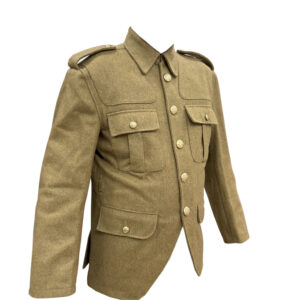
The British World War 1 Uniform has evolved over the years, but badges have remained a central part of identity. The khaki Service dress introduced in 1902 had pockets and straps that were ideal for badge attachment. The khaki color made cap badges stand out, giving soldiers an recognizable look even in harsh battlefield conditions.
British Military Badges in Wartime
Quick Identification
A glance at the cap or sleeve of a soldier could reveal important information about his regiment, division, or rank. It was important during nighttime operations and coordinated attacks.
Avoiding Confusion
War can be chaotic. British Military Insignia WW1 prevented misidentification of units and allowed officers to track units accurately.
Morale Boosting
Badges represented who soldiers were and why they fought. They helped to boost morale at times when it was most needed.
How British Military Badges were Worn
Placement of Uniform
- Caps: Cap badges
- Shoulder titles
- Sleeves for division badges and rank badges
- Collars: Collar insignia
- Chest: Medal ribbons
To maintain uniformity across the Army, every placement was subject to strict military guidelines.
What collectors value British military badges today
History of Importance
British Military Badges WW1 are studied by collectors to learn about the history of their regiments, craftsmanship and wartime culture.
Condition and rarity
Collectors prize badges in good condition that still have their original sliders or lugs. Collectors are attracted to rare regiments and handcrafted trench badges.
Authenticity
Knowing the materials, variations in design, and patterns of hallmarks helps collectors determine authenticity. Collectors often focus on the differences between early-war and late-war badges.
First British military badges
British military badges were in existence long before WW1. The scale and variety of badges increased between 1914 and 1918 when millions enlisted. This period saw a variety of insignia for regiments and specialties.
Who wore British military badges in WW1
The following people wear badges:
- Infantry soldiers
- Officers
- Artillery crews
- Engineers
- Medical staff
- Machine gunners
- Support Teams
Each role in the British Army was assigned a badge or variant, which contributed to a complex system of visual identity.
British Military Badges: How they define identity
A Symbol of Service
Badges remind soldiers of their responsibilities, and they are linked to their unit.
The Symbol of Recognition
Badges represent achievement, courage and skill. By recognizing fellow soldiers’ badges, we can build mutual respect and unity.
A Symbol of Legacy
Each badge linked soldiers to the rich history of the British Army. These symbols carried an emotional and historical significance when worn in battle.
The conclusion of the article is
British Military Badges WW1 defined identities in a manner few symbols could. These badges provided structure, pride, and recognition at a time of unprecedented destruction. These badges were displayed on the British World War 1 uniform and shaped millions of soldiers’ experiences.
These badges are a valuable window for historians and collectors into the past. These badges are treasured reminders of sacrifice, courage and the rich traditions of the British Army.
To explore more about military uniform so connect with our facebook.
Top Five FAQs
1. What do British military badges WW1 represent?
British Military Badges WW1 represented a soldier’s full identity. Each badge had a meaning that reflected the regiment, rank, and role of the soldier. Some badges indicated whether a soldier belonged to the infantry, artillery or engineering staff. Some badges highlighted achievements such as medal ribbons for bravery or long-service chevrons. Together, they formed a visual language that helped soldiers to recognize each other on the battlefield. These badges were symbols of pride that showed the history and traditions of their regiments, some of which were hundreds of years old.
2. How can you identify authentic British military badges from WW1?
To identify a British badge from WW1, you must pay attention to the materials, workmanship, and manufacturing details. Original badges are often made of brass, gilded or bronze metal, or white metal depending on the regiment and rank. Genuine badges are usually characterized by specific lugs or sliders on the back and sharp design details. Collectors compare badges, scroll fonts and crown styles to known regimental patterns. Genuine badges will also display patina and manufacturing characteristics that are consistent with the early 20th century. Reproductions tend to be lighter, with softer details or modern fastening methods.
3. Which British regiment had the most recognizable cap badge in WW1?
During WW1, several regiments were recognizable by their cap badges. The Royal Fusiliers wore a flaming grenade cap badge that was easily recognizable on the battlefield. The Royal Scots wore one of the oldest insignias with a star-shaped pattern that was linked to decades of service. The Lancashire Fusiliers wore a variation of the grenade with distinctive details. These cap badges had more meaning than just decorative items. These cap badges had a deep history; they helped to distinguish regiments and large formations of soldiers, and they became symbols of pride for soldiers who served during some of the most difficult campaigns of World War II.
4. What were British division badges in WW1 used for?
British Division Badges WW1 were used to identify soldiers and divisions, which was crucial for the management of movements on the Western Front. Each division had a distinctive cloth patch. These patches were often in bold colors or with simple shapes to make them easy to recognize. These patches were used by officers to coordinate attacks, organize troop rotations and reduce confusion in trench warfare. These badges are usually worn on sleeves, backpacks, or helmets. They ensured that in large operations, units were not mixed up, particularly when soldiers from different regiments or regions served together.
5. Are British WW1 collectible badges valuable today?
Collectors and historians often place a high value on original British World War I collectible badges. The value of badges depends on a variety of factors, including condition, rarity and historical significance. Prices for badges from elite regiments or early-war versions, as well as those made by hand, tend to be higher. The badges with the original sliders or lugs are more valuable than those that have been repaired. Documentation or a connection with a soldier can add value. These badges are valuable because they reflect the identity and legacy of the soldiers who wore them. They remain an important part of military history, and there is a thriving collector’s market.