Introduction to WW1 British Military Uniforms
World War I changed the worlds politics, tactics, and weapons, and it also forced armies to rethink the basics of what soldiers wear. British troops saw a rapid overhaul in their kit as leaders tried to balance tradition with the urgent need for uniforms that protected men and boosted efficiency. Tracing the design choices and practical tweaks behind these garments gives us a clearer picture of life in the trenches and of how that experience shaped future military dress. This piece walks you through the story of WW1 British military uniforms, from old habits to wartime innovation.
Origins of WW1 British Military Uniforms
Pre-War Military Dress Before the Great War, British regiments clung to 1800s pageantry. Troops marched in bright red coats the famous Redcoats that looked sharp but left men visible from far off. As fights moved beyond parades, that bold colour started to spell danger on the real battlefield.
Transition to Khaki The Second Boer War 1899-1902 hit home how costly bright tunics could be amid open ground and fast rifles. Out of those hard lessons, the British Army slowly rolled out khaki, a drab shade that helped troops blend into dusty environments. By 1914, that colour formed the core of a new uniform, and it proved vital for survival during the long, cramped days of trench combat.
Explore the Product.
WW1 British military uniforms | Replica Military
Parts of the British Army Kit in the Great War
The Service Dress
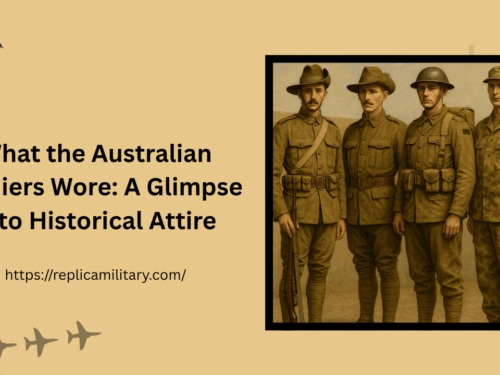
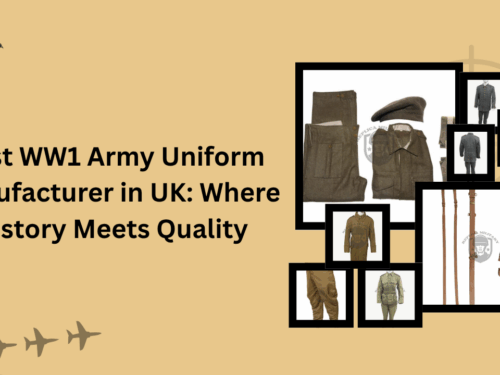
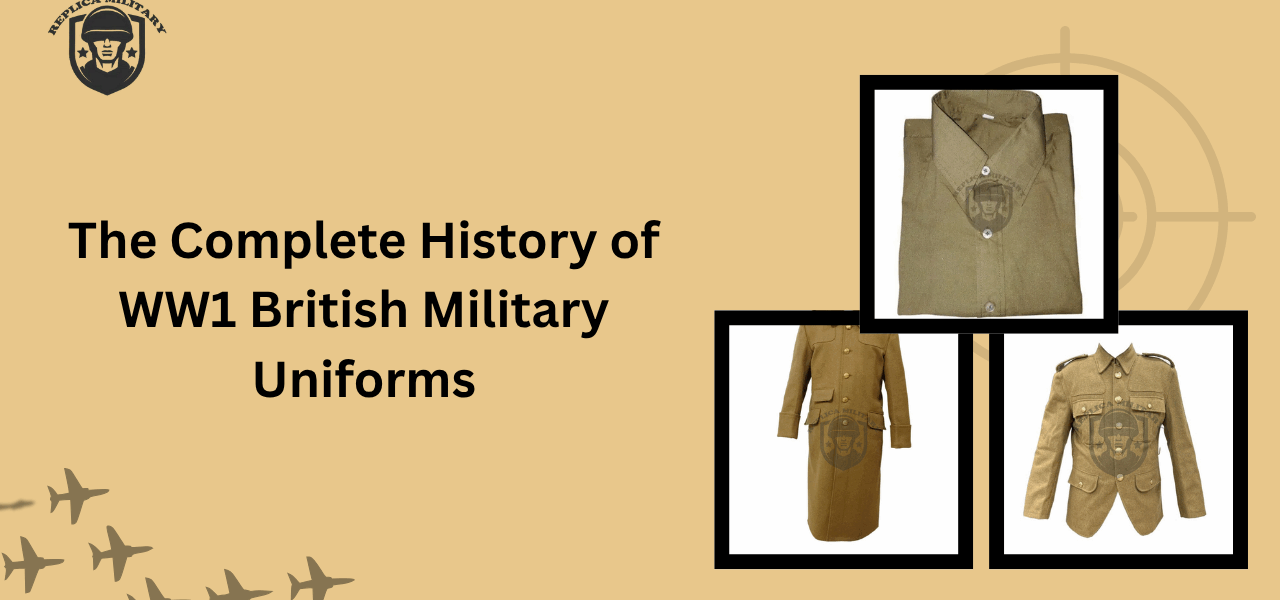
Dating back to 1902, the Service Dress was the go-to outfit for British troops in the First World War. It consisted of
- A khaki wool tunic with two pleated breast pockets;
- Trousers wrapped at the lower leg in puttees;
- A soft peaked cap.
These simple pieces were tough in the field and showed the empire working as one tidy machine.
Boots and Extras
Issued boots were leather, nailed to last, and the webbing harness carried ammo, water, and a first-aid kit.
Helmets and Headgear
At first men wore just a soft cap, but with fighting in wet, muddy trenches the Brodie helmet arrived in 1915 and saved many skulls.
The Officers Dress in the Great War
A Mark of Authority
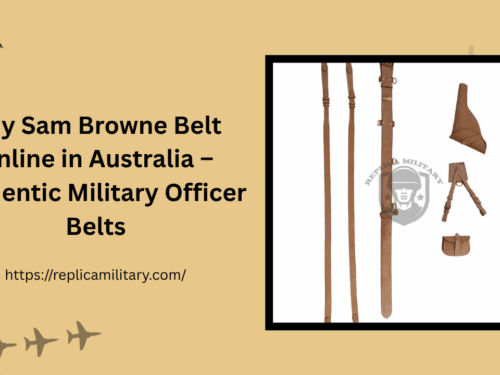
The officers pattern stood apart thanks to better cloth and neat stitching. Commanders paraded in tailored tunics, the broad Sam Browne belt across the hip, and gleaming riding boots. The cut alone spoke of rank, training and the class from which the wearer came.
Variations from the Rank-and-File Kit
Most of these pieces had to be bought privately, so styles, buttons, and fittings could differ. Still, the khaki hue and basic cap remained common ground between officer and man.
Styles of British Kit in the First World War
Basic Infantry Gear
The basic outfit was built for trench infantry who faced mud, rain, and enemy fire day after day. It had to resist tearing and allow quick movement, so pockets, buttons and sturdy fabric were all carefully thought out.
Gear for Specialized Troops
Flyers and tankers worked in spaces where regular cloth quickly failed, so their kit borrowed from civilian models. Leather jackets, thick gloves, goggles and heavier boots kept these men a little warmer and a lot drier when the shells fell.
Cold-Weather Extras
When frost settled on the lines crews added greatcoats, knitted balaclavas, and wool mitts, simple comforts that could be the difference between hypothermia and survival during brutal winter months on the Western Front.
Making and Delivering the Uniforms
Assembly on a War Footing
Turning out millions of sets was a logistical nightmare, yet factories across England, Scotland, and Wales retooled assembly lines to meet the demand. To speed delivery officials standardized every seam, color, and cut so items arrived in the trenches looking and fitting alike.
Womens Work in the Mills and Shops
With many men called away, women soon filled the shops, pressing, sewing, and packing each parcel of tunics and boots. Their steady hands on the machines kept supply chains moving while their voices in civic committees pressed for better materials and quicker transport.
Telling Troops Apart
Badges, Insignia and Shoulder Titles
Each regiment had its own badge, numerical title, and shoulder patch, colourful markers sewn or pinned onto uniforms. In noise, smoke, or mass confusion these small emblems still let officers, comrades, and the men themselves understand who was who for faster orders and fewer costly mistakes.
Medals and Decorations
Soldiers jackets sparkled with hard-earned medals and faded ribbons, small reminders of bravery on the battlefield and long nights in muddy trenches.
Cultural and Historical Significance
National Identity
British uniforms from WW1 turned plain cloth into bold emblems of national spirit, shared sacrifice, and stubborn grit, with WW1 British military uniforms pulling soldiers from every corner under a single flag.
Role in Modern Reenactments
Now history groups and eager collectors hunt period uniforms for living-history shows or museum displays, while faithful replicas keep the Great War story alive for fresh eyes.
Collecting WW1 British Military Uniforms
High Demand Among Collectors
Genuine and well-made copy tunics, caps, and webbing pieces draw military researchers and enthusiastic buyers from Europe to the United States, each item whispering its own tale of service.
Where to Find Them
Should you wish to build a collection, trusted auction houses, specialty militaria shops, and vetted online sites offer sound choices; always cross-check with a qualified expert to dodge fakes.
Preserving Uniforms
Storing garments in cool, dry boxes, shielding them from direct sunlight, and handling them with clean hands will keep both originals and replicas safe for the next generation.
Explore the Product.
WW1 British military uniforms | Replica Military
How World War I Styles Shaped Tomorrow’s Military Look
Redrawing the Lines After the War
After the First World War, the plain yet hard-wearing British kit inspired armed forces far beyond the English Channel. Even todays British combat gear nods back to those trench-ready threads.
Lasting Features in Present-Day Gear
Kahki fabric, pocket-laden tunics and sturdy webbing are hallmarks you can spot on uniforms from the Pacific to Europe.
Conclusion
The evolution of the WW1 British military uniforms, born of battle-scarred need and national pride, reveals how conflict can reshape clothing. Shifting from eye-catching red coats to sensible khaki service dress, those garments became symbols of grit, quick thinking and invention. Whether you study, collect or simply wonder about military kits, these outfits offer a glimpse into the lives of fearless men and women who wore them.
So, whether you hunt for a hard-to-find WWI item for your display or want basic details about the officers set-up, the echo of those early 20th-century uniforms still rings loud in modern history and heritage.