
Introduction
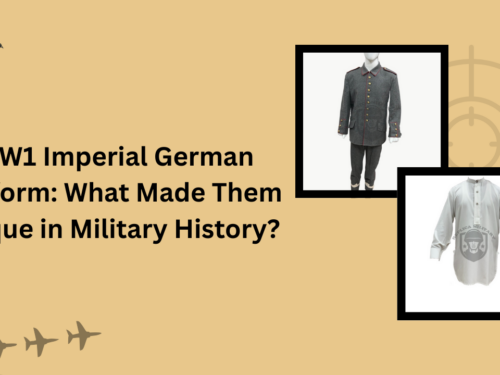
The WW2 British Army battle dress served as more than a mere military uniform, serving as a cultural emblem of unity, steadfastness, as well as fortitude during one of the most harrowing times in history. Alongside North Africa and Asia, British Soldiers wore the battle dress in Europe. This specific dress became eponymous to the British symbolically portraying a British soldier which encapsulated the inherent value of the British army and its troops. The battle dress in specific to khaki colors and sturdy construction complimented both identity as well as purpose.
What was the WW2 British Army Battle Dress?
Evolution of Military Uniforms Before the Second World War
The British Army Service Dress featuring a mounted uniform and trousers, peaked cap along side uniform was the standard worn during the first half of the 20s. With a diverse, mechanized fleet of vehicles designed for new tactics, the need arose for more functional uniforms which resulted in the WW2 British Army battle dress uniform.
Key Components
- British battledress blouse: the WWII cropped wool uniform jacket.
- British army wool trousers: The trousers were high waisted, complimenting with the blouse. Alongside the blouse, it created a streamlined fashionable silhouette.
- British military battledress jacket: Supplying necessary warmth, durability and camouflage due to its design.
- British Army BD blouse and trousers: Uniforms issued to streamline allotment and upkeep across various squads.
What Made the British Army Battle Dress of WW2 So Pioneering
Smooth Efficiency in Production and Distribution
To comply with the production requirements in wartime, the British battledress of 1940 incorporated new and innovative design features which in turn, lessened the overall fabric needed, simplified alterations, and made the uniform easier to adjust for different temperatures.
Design Integration
The wartime British Army uniform was designed to allow tasks such as combat with minimal interference through design elements like concealed buttons and secure pockets. It had British Army webbing and gear WWII compatibility which bolstered mobility and efficiency in load, and carrying system workings.
What Date Marked the Introduction of the British Army Battle Dress of WW2?
1939 Launch: Increased Emphasis on Practicality
The introduction of the WW2 British Army battle dress came in 1939, a shift away from the pre-war British Army Service Dress Versus Battle Dress. During the early war years, troops were issued the 1937 pattern, which was intended to be a more streamlined field ready uniform and later evolved into the 1940 pattern British battledress. The uniform was launched in conjunction to major mobilization efforts that allowed soldiers to be deployed in standardized outfits tailored to modern warfare.
How the Adaptations of the British Army Battledress During WWII Evolved Over Time
Unlike in the early part of the WWII, late phases of the war experienced a greater allocation of resources to the British Battledress Wool Blouse.
- The early wool blouse had a more defined and rigid tailoring, sharper silhouettes, and finer wool—a characteristic of the WWII British wool battledress.
- Coarser materials, frequently paired with improvised rough sewing, became common in later versions as the of reliance on improvised and coarser materials became common.
In concert with these changes, the British lined their tunics with belt integration of simpler designs, giving them wider legs and reinforced seats. Additionally, the British Army webbing underwent continuous improvements to their WWII belts and gear.
Incorporated across branches
- Modern auxiliary Battledress uniforms became available through local customization of older surplus garments.
- More specialized roles, such as signalers or engineers, were granted more degree of freedom in their apparel, as governed by the WWII British Army rank and insignia protocols.
Symbolism in Detail
Elements such as the chest pockets and the woolen textile as well as a blouse worn tucked in signified a pragmatic ethos. Coupled with the British Army Greatcoat worn during WWII in colder climates, the uniform achieved operational flexibility alongside visual gravitas.
Comparisons and Controversies: Was it Better?
British Army Service Dress versus Battle Dress
- Service Dress: Outdated, ceremonial, inefficient
- Battle Dress: Modern, practical, mechanized-friendly
While WWII British Army Battle Dress was considered an eyesore by some, in practice, it was a far more versatile and economical option, especially during a wartime mobilization.
Integration of Equipment with Battle Dress
Battle Dress: Full Loadouts and Configurations
The Battle Dress was intended to enable a soldier to carry combat equipment. By equipping a WWII British soldier with ammunition pouches and other personal items, a balanced and cohesive field kit was achieved.
Tight cuts on the British Army BD blouse and trousers, even with heavy loads, prevented snagging or bulk. Soldiers frequently repositioned gear during long trudging marches and relied on well-placed reinforcement stitching and flexible seams.
Legacy and Collectibility of the WW2 British Army Battle Dress
Reproduction and Modern Interest
The Reproduction WW2 British battledress is now popular among reenactors, collectors, and museums. Other than decorating the battledress, faithful replicas of the WW2 British Army battle dress uniform are made using designs and wool blends alike to the WWII British wool battledress blouse and the ww2 british soldier uniform trousers and tunic.
Unlike other display items, the battledress is worn during commemorative occasions where enthusiasts actively participate in the events wearing the WW2 British soldier uniform. Every British military battledress jacket worn in Europe is meticulously replicated down to the buttons and the stitching.
Military Surplus and Collectibles
An entire collection of World War II British uniforms still slowly emerges, although they are becoming harder and harder to find. Collectors are on the lookout for:
- British Army Greatcoat from World War 2
- British Army BD field trousers and BD blouse
- WWII British Army rank and insignia marked items
Emotional and Cultural Impact
The World War II British Army battle dress is a uniform for many veterans and historians. It hails tales of courage and valor like no other. For the soldiers, putting on the dress was not just abiding to the rules, but a common bond. It was a way for soldiers to recognize, and were recognized by, each other across European battlefields and within the British Home Guard battle dress units.
The uniform is taught to the younger generation as the British Army’s 1939-1945 uniform evolved. The dress is not only a symbol of one generation of soldiers, but of a powerful message they tried to convey, which includes duty, endurance, and great collective resilience.
Conclusion: The Era Defined by a Single Uniform
WW2 British Army battle dress was more than a simple uniform; it was a form of identity on the battlefield and it was closely linked to the experiences of diverse people. This uniform was a mark of practicality and solidarity from 1939 and well after it was adapted to regional and role-specific variations of the uniform. It not only changed how soldiers operated but also how they were required to be streamlined.
The far-reaching influence of the uniform is pronounced whether one is examining a Collectible WW2 British Army battle dress or watching footage of soldiers in their Khaki battle dress to this day. Its legacy is undeniable. It shaped and changed the identity of an entire generation in a visibile, functional, and symbolic manner. You can visit our official Facebook page, Repica Military.